Power cords, also known as line cords or mains cables, are a type of electrical cable or electrical hardware that connects power outlets to appliances. Like most electrical hardware, power cords feature copper wire and insulating material. However, a power cord’s distinguishing characteristic is that it features a male end connecting to a power outlet and a female end connecting to either another male end or an appliance.
Also, power cords vary slightly in appearance to suit domestic and industrial applications; from the Nintendo switch power cord to power cords to specialized hospital cords. Below is an overview of a power cord’s essence.
Power Code Types
Electrical hardware regulations vary across the globe. For instance, the US, Canada, Japan, and Central America, use type A and B power outlets, while Europe, Africa, and Australia use the EC 60320 power outlet.
Knowledge about the various power code types used in different places is vital for individuals who travel frequently or while purchasing power codes abroad. Nonetheless, you can use electrical accessories like an adapter to make different power cords and power outlet types compatible.
The National Electrical Manufacturers Association (NEMA) is the US regulatory body that sets the standards and oversees power cord production. NEMA exclusively authorizes type A and B power cords manufacture and use in the US.
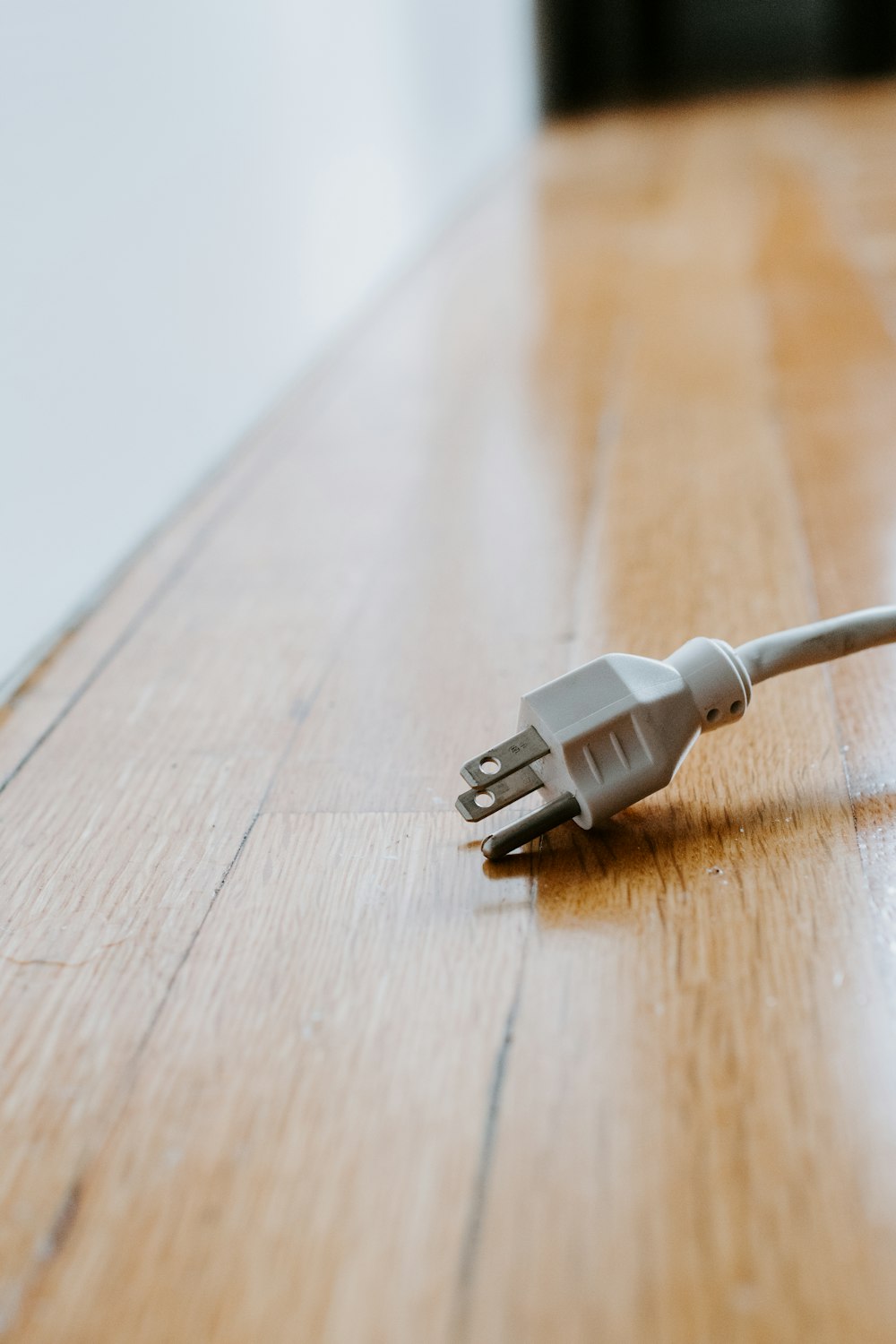
A type A power cord, also known as the nema 5-15r power cord, features a male plug with two flat, parallel prongs but no earthing prong. The two-prong, no-ground power cord is the standard power cord compatible with domestic appliances with a voltage not exceeding 250 volts. According to one industry report, devices and appliances with an energy consumption below 50V do not require grounding.
On the other hand, the A type B power cord, or the NEMA 5-15 cord, features a male end with two flat parallel prongs and a third round prong. The third prong facilitates grounding and is longer than the parallel prongs to ensure that the device or appliance connected to the cord is grounded before the current flows through the parallel prongs. Electrical grounding is a safety measure that provides an alternative pathway for alternating current to flow into the ground.
Type B prongs are ideal for connecting large appliances like washing machines, dryers, refrigerators, electric fryers, and cookers that require grounding to reduce the risk of electrical hazards and property damage.
Uses And Benefits Of Power Cords In Everyday Use
Power cords may seem like mundane power accessories, but they serve essential functions that make everyday life easier for any home and work space with electrical devices. Below are some benefits of power cords in your home or workspace.
Versatility
The power cord market has no shortage of devices to help power your electrical devices and appliances. Besides NEMA-approved benchmark features, the power cords currently available in the US electrical hardware market have various integrated designs and features that make them easy to use. Moreover, the designs and features make power cords diverse for various home and workplace applications.
For example, you can use an A-type power cord in any small appliance compatible with the cord. Therefore, you can purchase one removable extension cord to power multiple appliances that do not require a dedicated power source.
Second, power cords have versatile designs geared towards convenient use. For example, you can purchase retractable power cords. Retractable power cords feature a pulley system design with the power cord wrapped around the pulley in a spool up to 30ft long.
The retractable power cord supports multiple installation options, and the retractable pulley system prevents the cord from tangling. Besides being a tripping hazard, power cord tangling tends to wear out the insulating sheath along the tangles areas.
Besides retractable power cords, you can purchase a remote-controlled power cord. Remote-controlled or switch power cords allow you to regulate a device’s power intake from as far as 80ft away. Moreover, some remote-controlled power outlets have multiple ends to plug in multiple devices.
Power Cords Convert AC to DC
Electric current flows as either alternating current or direct current. AC flows back and forth and hence has a higher magnitude than DC , which flows in a linear direction.
Although both current types are dangerous, AC is more dangerous and is more likely to cause fatality in case of an electrocution incident. However, power cords are compatible with power adapters that convert AC from the power outlet into DC. It reduces the risk of electrical hazards and property damage from alternating current.
Safety Features
Electric power outlets do not have safety features. However, most power cords have safety features that allow you to enjoy your appliances’ convenience without worrying about potential electrical hazards.
Such safety features include power adapters and grounding prongs. Moreover, some power cords feature LED screens showing real-time current flow readings. Also, those designed for high-temperature devices like electric kettles have safety features that prevent overheating and potential electrical fires.
Specialization
Although power cords are versatile, you can find specialized ones adapted to specific devices. Examples include hospital cords, and construction machinery cords. Therefore, you can save time on researching a power cord with specifications that meet your needs.
Conclusion:
Power cords are helpful electrical hardware devices that protect homeowners and appliances from electrical hazards. However, purchasing the right power cord for your needs and using the power cord according to best practices. It can help you reap maximum benefits from the power cord.


